Manchester City's November international break offers Enzo Maresca a chance to fix a defensive slide
What happened
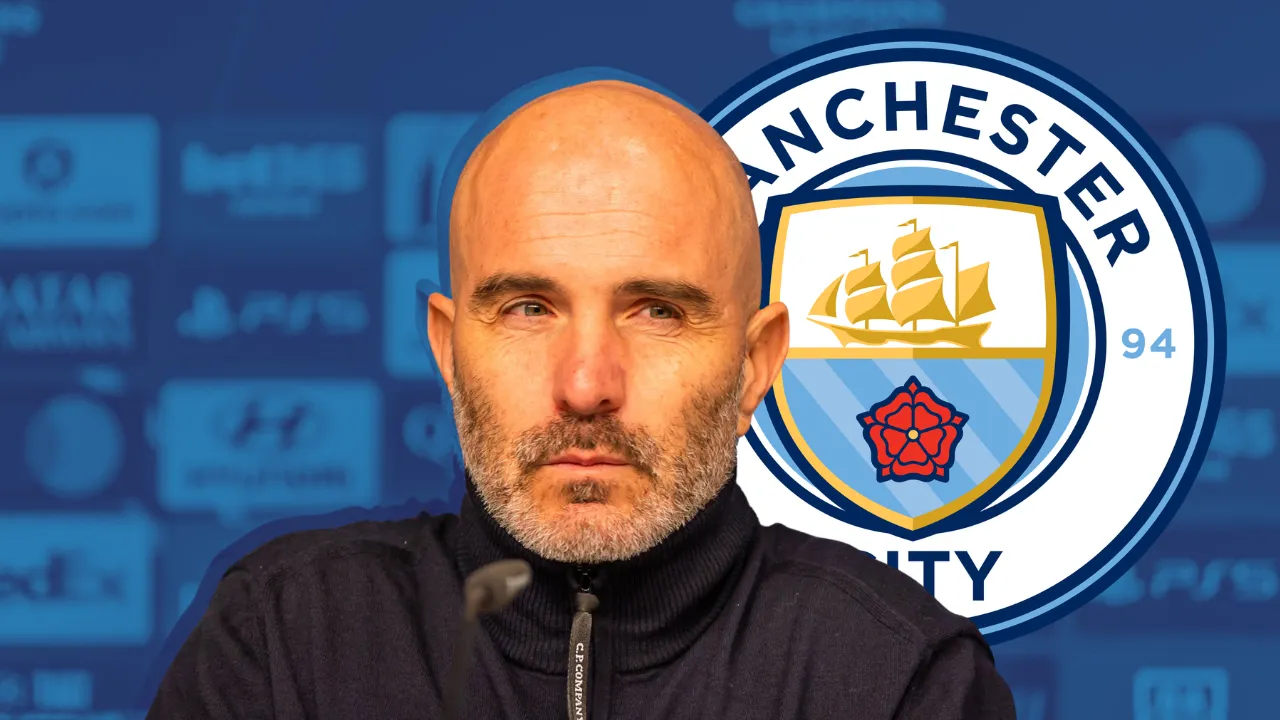
Manchester City's strong start to the Premier League season under Enzo Maresca has given way to a sharp downturn, and the November international break arrives as the coach's best opportunity to address it, according to the Brazilian outlet Trivela. City opened the campaign with seven wins in their first league matches, took the lead in the table and at one point held a six-point advantage over Arsenal. That run was then broken abruptly by defeats to Aston Villa, Brighton and Nottingham Forest, which dropped the team to third place and allowed the reigning champions to pull clear at the top.
Report details
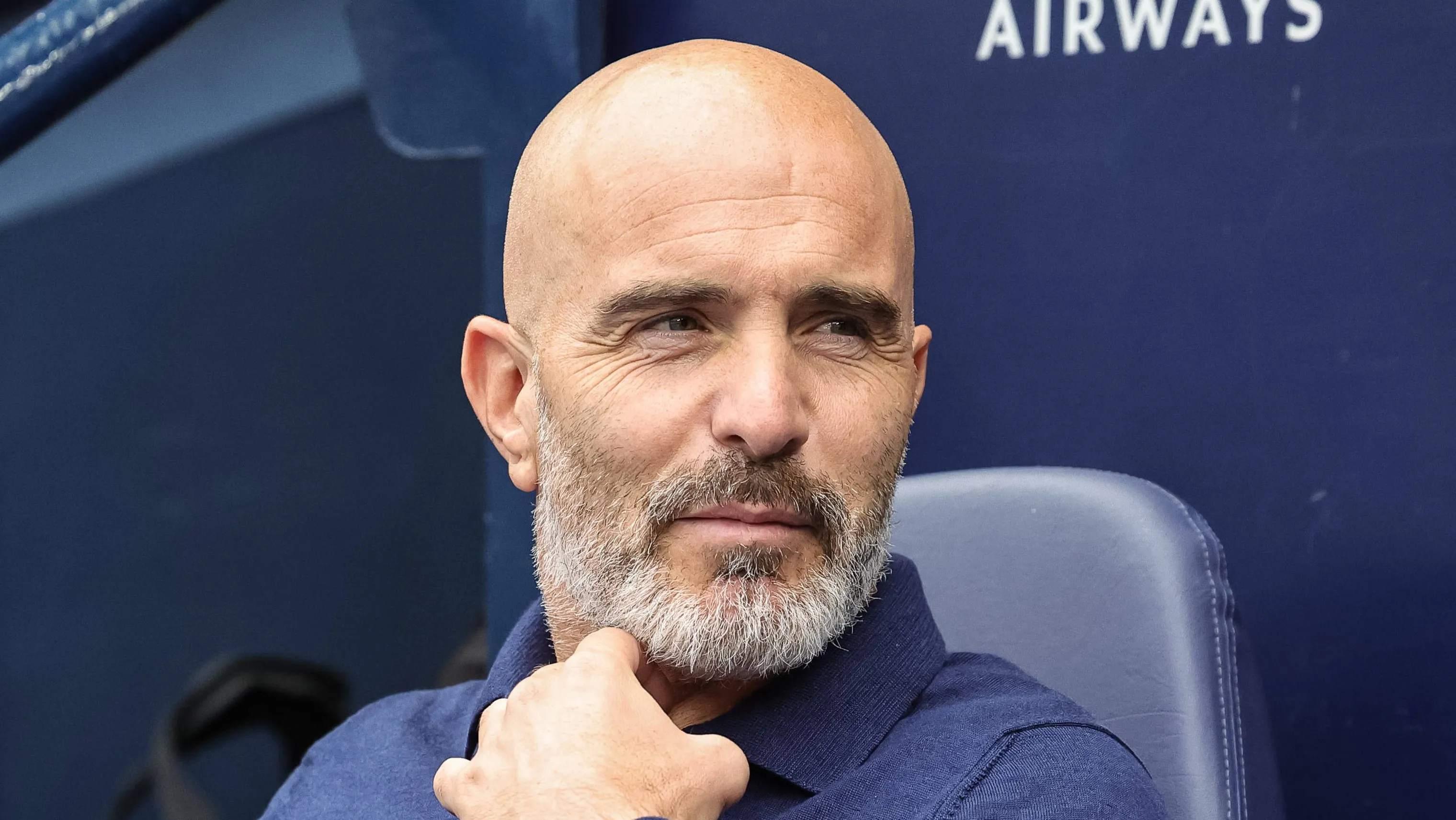
Beyond the scorelines, Trivela reported that the performances exposed difficulties in competing physically, winning duels and protecting the defence when possession is lost. Maresca himself acknowledged that his side could not match the opponent's intensity in the first half. The outlet stressed that the break will not erase the problems of recent weeks, nor will it mean rest for every player, but it gives the coach time to assess performances, recover players and work on adjustments that would be hard to make during a congested match schedule.
Trivela argued that City's drop cannot be explained solely by poor finishing. The team still controls possession and produces attacking volume; against Forest, for example, it finished with 79% possession and 12 shots. The issue is that this control has not prevented opponents from finding space and creating dangerous situations. Defensive protection is a central concern: City conceded 17 goals in eight matches and failed to keep a clean sheet in any of their last nine games. The high defensive line typical of Maresca's teams requires coordination between the units and a quick reaction to losing the ball; when the post-loss press fails, defenders are exposed to fast attacks and must cover large spaces.
The absence of Rodri helps explain part of that difficulty, according to the report. The Spaniard offered game reading, interception and quality in building out from the back, and was a player able to anticipate danger and stop counter-attacks before they gathered speed. Without him, the rest of the midfield must share responsibilities Rodri used to assume almost alone. Elliot Anderson has been important in this context, but the distribution of roles matters: the presence of players such as Enzo Fernández and Rayan Cherki adds technical quality and creativity but also demands defensive compensations. If the two play together without a structure protecting the central area, Anderson can be overloaded in covering and physical duels. The pause allows Maresca to work on these relationships, whether by adjusting the midfield composition for a better balance between creation and protection or by reviewing the team's positioning without the ball, especially the distance between the defensive line and the more advanced players. Trivela framed this not as abandoning the game model but as finding ways to make it less vulnerable.
Recovering players is also part of the solution. City lost rhythm during a demanding run of fixtures, and getting athletes back can help the team restore the intensity needed to execute Maresca's model. The report said it will be important to monitor Marc Guéhi and Josko Gvardiol, both substituted at half-time against Nottingham Forest with physical problems, according to Maresca. The break may help assess the extent of those issues and avoid bringing important players back before they are ready.
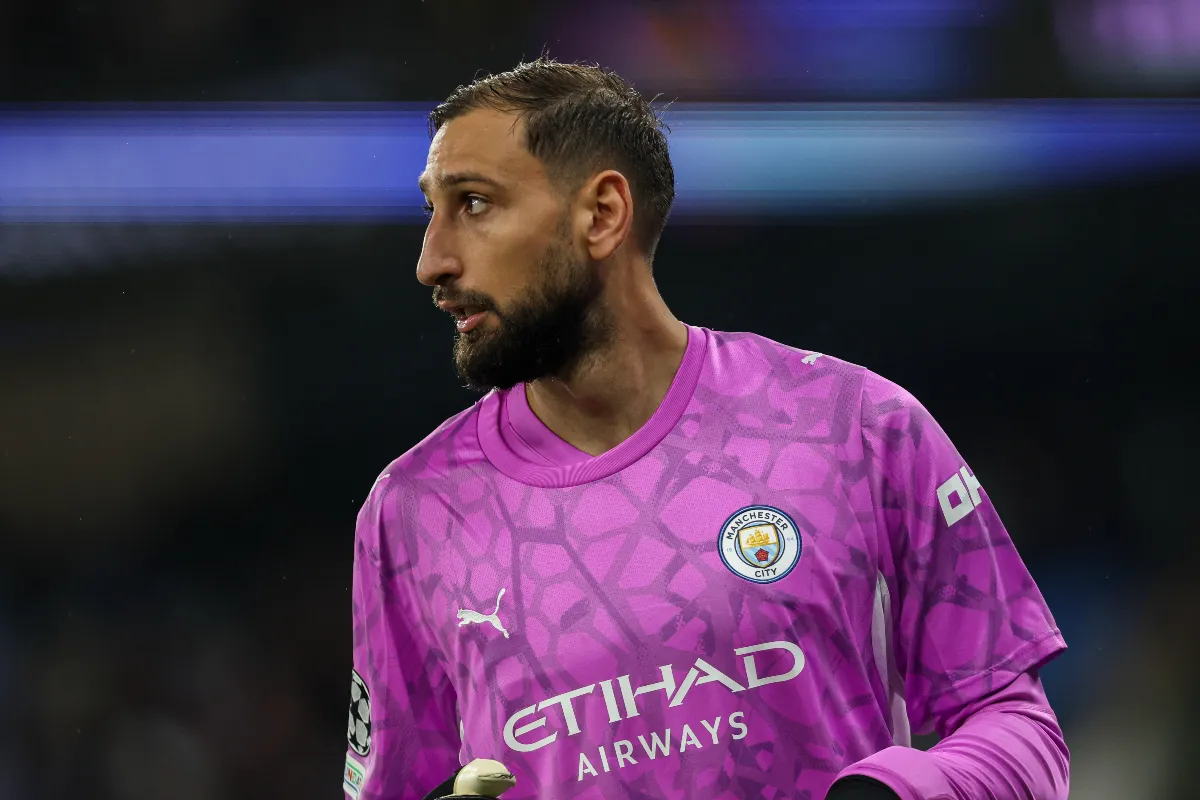
There is a caveat: the international break is not a holiday for the whole squad. Several starters were called up by their national teams, including Erling Haaland, Gianluigi Donnarumma, Rúben Dias, Gvardiol, Guéhi, Enzo Fernández and Cherki. Travel and international commitments reduce recovery time for part of the group, while others can stay in Manchester and work directly with the coaching staff. Even so, the interval offers a chance to reorganise the workload and prepare the squad for what follows.
The break comes at a moment when City need to recover not only results but confidence in their way of playing, Trivela wrote. The seven initial wins showed the team has the resources to compete for the title; the three following defeats revealed that important adjustments remain to sustain that level across a full season. The first challenge after the interval is against Fulham at the Etihad Stadium, followed by a more significant commitment: the visit to Arsenal on 29 November. The six-point gap makes the direct confrontation an important opportunity to reduce the distance, although the result alone would not settle the title race. For Maresca, the international break represents a chance to find answers before the run of negative results becomes a bigger problem. The coach needs to restore defensive solidity, find the best distribution of roles in midfield and make possession dominance translate back into effective control of matches. City do not need to abandon their identity to respond, the outlet concluded; they above all need a better balance between what they do with the ball and what they can do when they lose it.

What to follow next
Team & schedule · Manchester City
Recent results in this competition · newest first
- Loss
- Loss
- Loss
- Win
- Win
Article discussion