Como's rise from Serie D to the Champions League under Cesc Fàbregas
What happened
Como have qualified for the Champions League after finishing fourth in Serie A in 2025/26, according to a Football Italia report that traces the club's climb from Serie D in 2019 to Italy's top four in the space of seven years. The report, published on 23 November 2026, frames the achievement as one few could have predicted, noting that Como returned to Serie A in 2024 after a 21-year absence and then finished tenth in their first season back before breaking into the top four the following campaign.
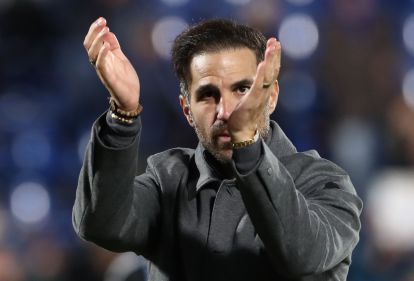
Original photo caption
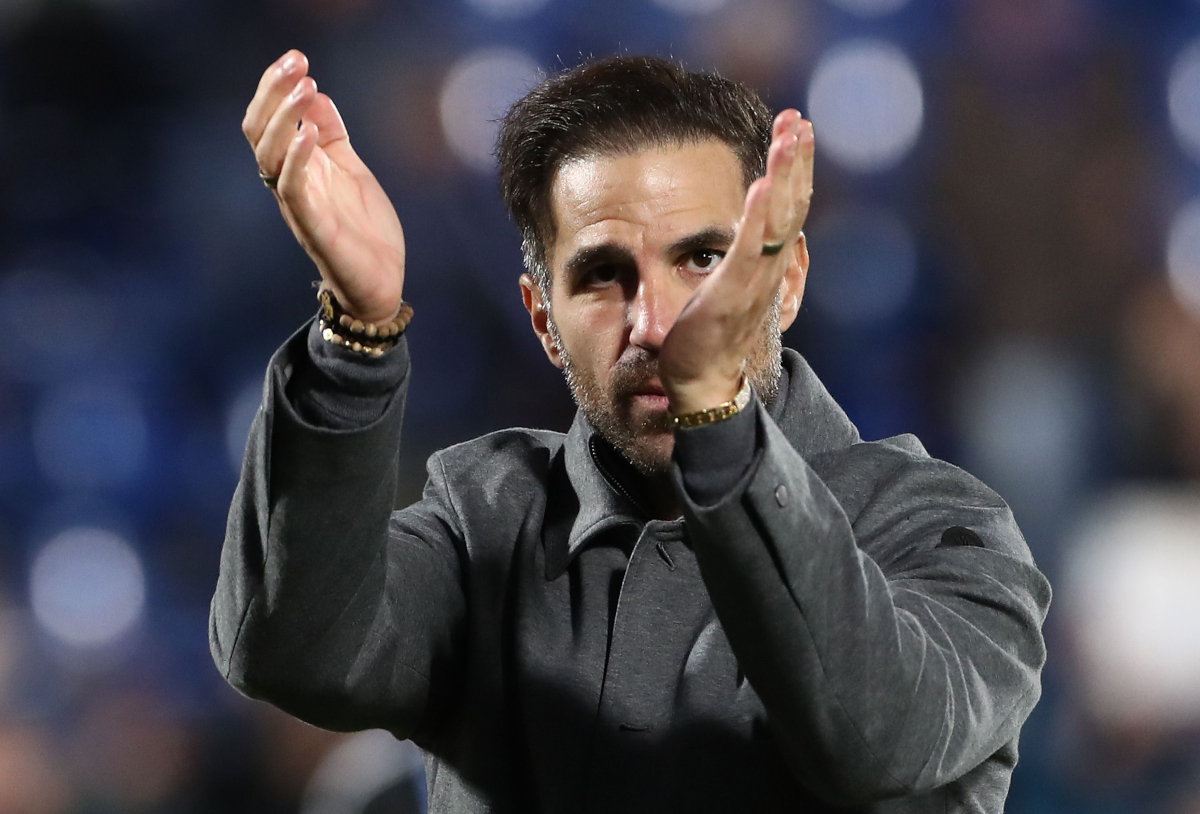
ITALY – NOVEMBER 21: Como 1907 coach Cesc Fabregas celebrates the victory at the end of the Serie A match between Como 1907 and Cagliari Calcio at Giuseppe Sinigaglia Stadium on November 21, 2026 in I
Report details
The report attributes the transformation in part to the arrival of Indonesian investors Robert and Michael Hartono, who provided the financial support needed to rebuild an organisation that had endured years of financial difficulties and instability. Rather than pursuing immediate results alone, the ownership is said to have invested in recruitment, infrastructure and long-term development. Football Italia lists financial stability, long-term planning, a clear football identity in player selection and coaching continuity under Cesc Fàbregas as the decisions that improved conditions for progress, allowing Como to compete against clubs with far longer histories at the top level.
Fàbregas is described as central to the club's development, bringing extensive European experience from his playing career into coaching. His approach emphasises possession, positioning and intelligent movement, with Como seeking to create situations where players have space to receive passes and advance towards goal rather than simply keeping the ball. The report says the team frequently operates in a 4-2-3-1 formation, with two central midfielders supporting attacks and helping protect the defence, and highlights a willingness to build from the goalkeeper, drawing opponents forward to create space behind their midfield while full-backs provide width. The report acknowledges the risks of this approach against aggressive pressing but says Fàbregas has shown his players can use it effectively against teams with greater European experience.
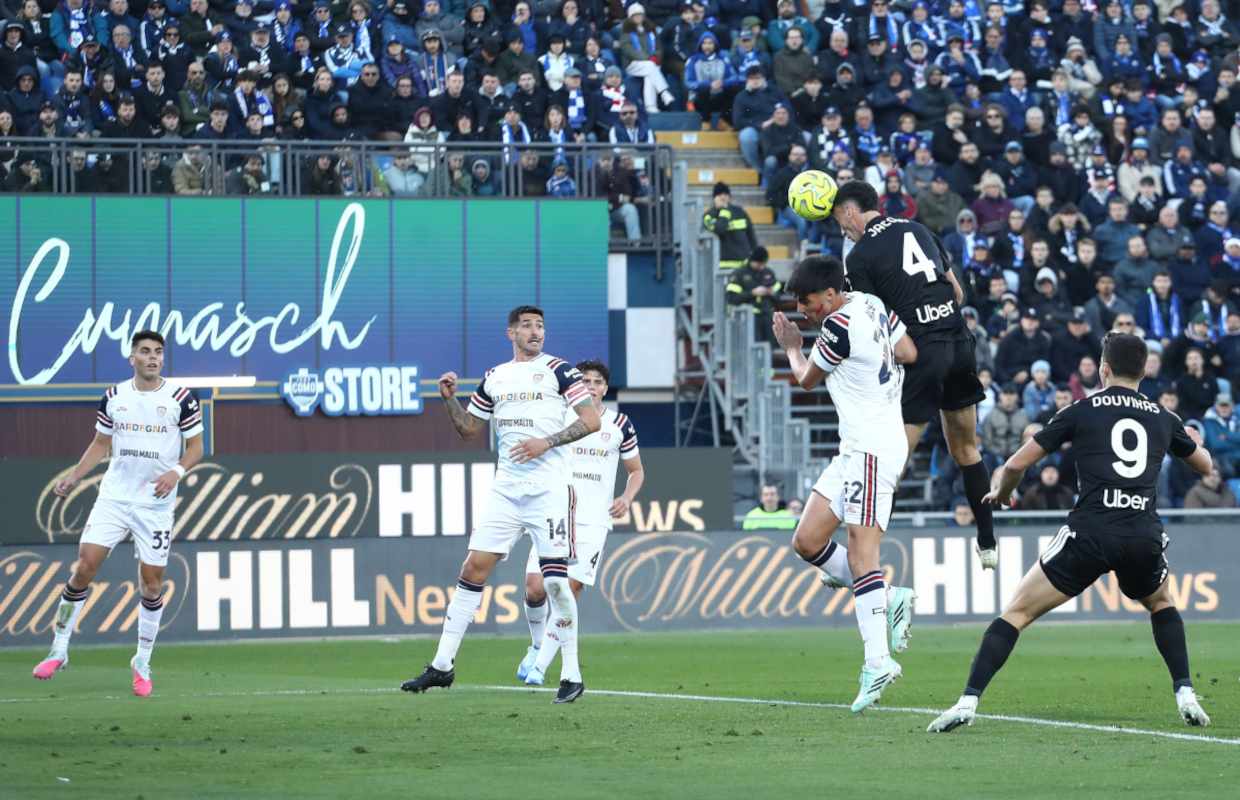
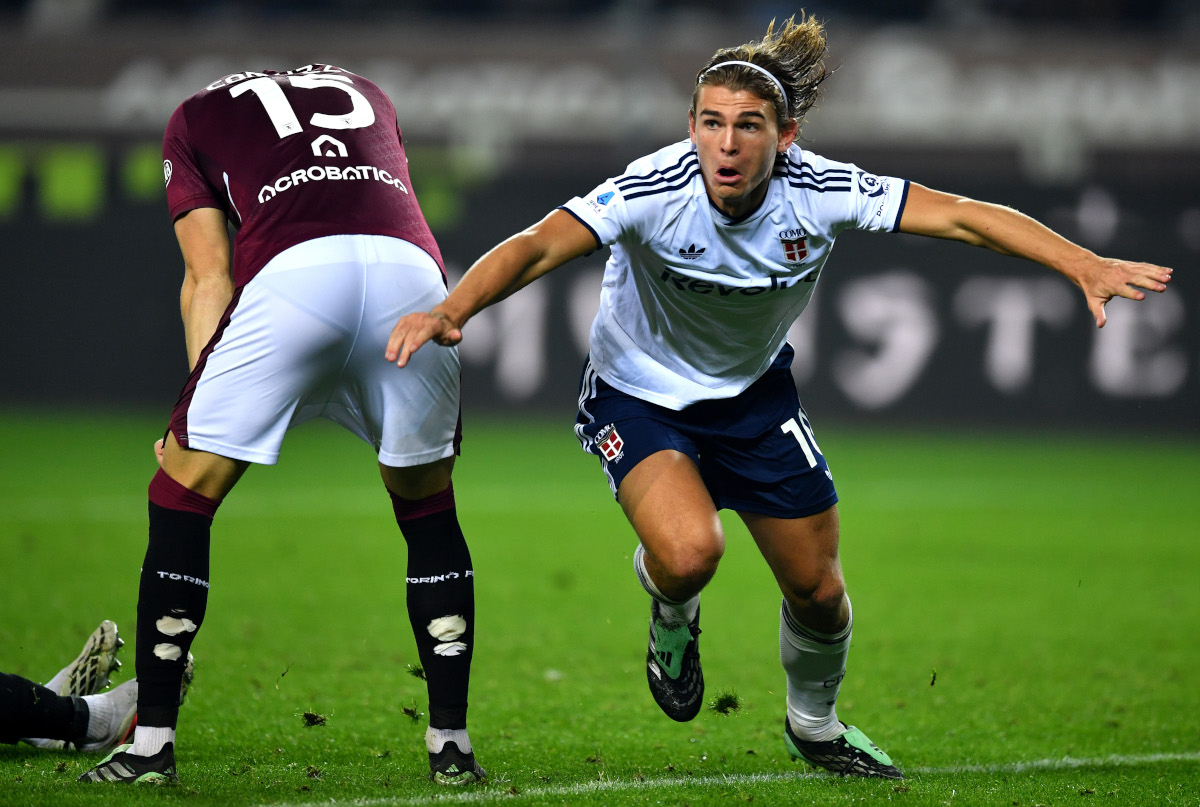
On the pitch, Nico Paz is identified as one of Como's most influential footballers since joining from Real Madrid in 2024. The Argentine attacking midfielder recorded six goals and nine assists in his first Serie A campaign and improved to 12 goals and seven assists in the following season, with the report noting his close control, passing accuracy and ability to identify space between defenders. Football Italia also credits Tasos Douvikas with movement inside the penalty area and reliable goalscoring, Martin Baturina with technical ability and creativity, Máximo Perrone with controlling possession and linking defence to attack, Lucas Da Cunha with intelligent movement in passing combinations, and Jacobo Ramón with height, defensive strength and composure playing out from the back, concluding that success does not depend on a single individual.
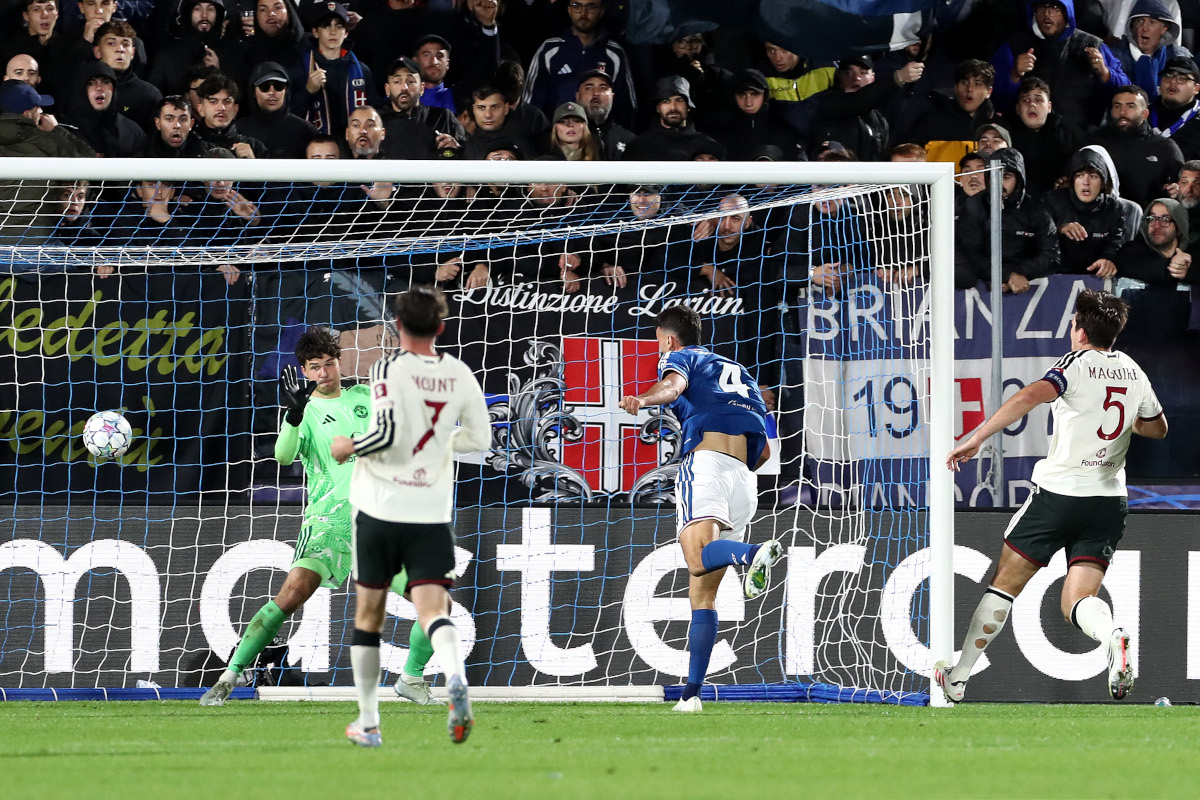
The report points to European results as particularly convincing evidence of improvement. Como beat Manchester United 4-1 in a Champions League league-phase match on 21 October 2026, with Ramón scoring their fourth goal. An even more extraordinary result followed against Lens, a 9-1 away victory that the report says equalled the largest winning margin in Champions League history and made Como the first away team to score nine goals in a match in the competition. Beyond the scoreline, Football Italia says the performance showed coordinated passing, exploitation of defensive weaknesses, maintained attacking organisation and the involvement of younger players, reflecting growing squad depth. The report cautions, however, that scoring nine goals in one match is highly unusual and cannot reasonably be expected every week, with consistent performance against strong opposition the more important measure.
Looking ahead, the report identifies squad depth as a major concern as domestic and European commitments increase demands on players, with injuries and fatigue making reliable alternatives essential. It also flags the challenge of retaining important personnel, noting that players such as Paz are likely to attract interest from larger European clubs and that Fàbregas' coaching achievements could generate opportunities elsewhere. Football Italia sets out three priorities for sustained competitiveness: maintaining recruitment standards so new signings suit the tactical system rather than simply arriving with established reputations, developing new players to improve depth and reduce dependence on expensive transfers, and balancing ambition with financial planning. Tactical flexibility is also cited as important, since opponents will increasingly study Como's methods and Fàbregas will need alternatives when possession-based attacks become less effective.
The report concludes that Como's development is not simply the result of significant financial investment nor a lucky streak, but reflects effective recruitment, coaching consistency and a clear understanding of how the team should play. It notes that maintaining Champions League qualification will be difficult against established Italian clubs with greater experience and resources, but argues that if Como retain key personnel, keep developing young players and strengthen the squad intelligently, they could remain among Italy's leading teams rather than enjoy only a brief period of success.
Article discussion