Spalletti praises Juventus reaction after 4-0 win over Venezia and defends Koopmeiners
What happened
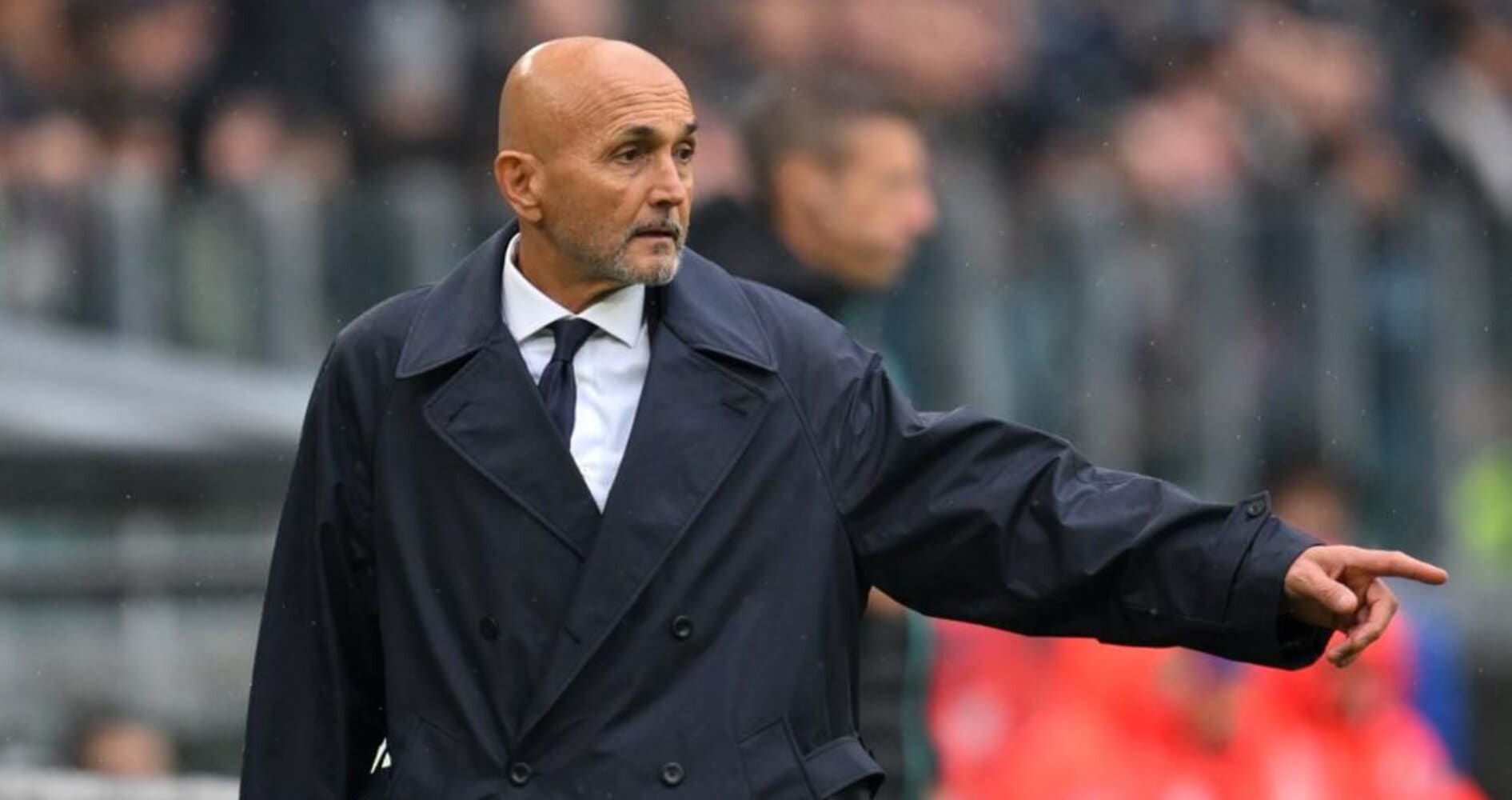
Luciano Spalletti said he was pleased with Juventus' response after their 4-0 win over Venezia at the Stadium, but he used his post-match press conference to shut down a question comparing Teun Koopmeiners to a player of the past. According to Corriere dello Sport, when asked which former player Koopmeiners resembles, Spalletti replied: "Nobody cares... What matters is that he has become Koopmeiners again." Koopmeiners scored the second goal in the victory.
Report details
Spalletti described Koopmeiners as a player who does not produce a single explosive moment within a match but instead maintains a consistently high tempo. "He decides with his foot and with his choices; if he is in condition, he has these things," the coach said, adding that the staff were happy to have put him in a position to show again what a great player he is. He returned to the theme later, saying Koopmeiners had remembered who he was, and that being at Juventus means the squad has quality that is not simply handed out.
The coach explained the two half-time substitutions that changed the game. Alajbegovic was feeling pain, so his withdrawal was more a decision based on his physical condition, while Douglas was a technical and tactical choice because the team could not speed up its play. Spalletti said the difference in the second half was mental: the side were ready and reactive, and shed the stifling feeling they had built for themselves during a slow first half. He said the team had already discussed character, personality and wearing the shirt, and that on this occasion they became something within the match, whereas in the first half they were too little.
The tactical approach also changed after the break. Spalletti said his team pressed, got after the opposition and played vertically without waiting for Venezia to drop into a low block. He gave a measured assessment of substitutes Woltemade and Sarr, saying they fitted well into the team's development but have a normal rather than high tempo. He also credited McKennie with taking decisions, and mentioned Cabal, Kelly and Bremer, noting Bremer had driven two long balls forward.
Asked whether he expects continuity, Spalletti declined to commit. He said he did not know and that it would have to be seen, adding that the team had grown used to errors of a banal kind such as those in the first half. He described the first-half performance as slow and composed to a fault, not only in carrying the ball but in choices and in moving to the next action, and said that when you see things only as they happen you are late. In the second half, he said, the team anticipated something, and he stressed they need to put more into matches.
The most delicate passage concerned the attack. Of Woltemade, who came off the bench and broke the deadlock, Spalletti said he is a player who can play in that position: technical, not a player who bursts past opponents, who takes some balls into his body but is not a physical player who can hold off a central defender. He needs to play there and choose his position, and he is good in dialogue with teammates. Spalletti claimed credit for the German's goal by noting he had asked McKennie to fill the area when the ball was wide.
On Kolo Muani, Spalletti said the player interprets the role in his own way and needs to be shown other situations because he has the qualities to do everything: physique, running speed and the ability to arrive strongly after 50 metres. Then came his clearest statement: "You need a striker who plays as a striker; right now we don't have one. Or rather we do have one, Kolo Muani, and he is not doing well in that position. You need someone who plays in that position. The striker needs physique, someone who receives the ball into his body and knows how to play with the central defender's hands on him. That is how it is now. You win duels."
Article discussion